
Introduction
Meta (Facebook & Instagram) remains one of the fastest ways to turn casual scrollers into paying customers. But with privacy changes and smarter delivery algorithms, winning on Meta in 2025 means more than blasting ads—it means strategy, measurement, and creative that converts. This step-by-step guide will help you move users down the channels—from awareness to purchase—while protecting your return on ad spend.
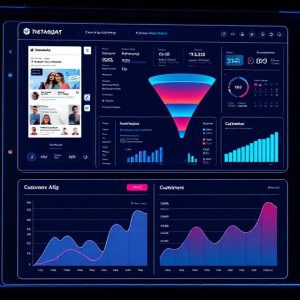
Step 1: Define your channel and a single north-star metric
Map the customer journey for your product: awareness → consideration → conversion → retention. Pick one primary Key performance indicator{kpi}—Cost per aquisition{CPA}, ROAS, or cost per new customer—and set secondary metrics like Click through rate{CTR}, add-to-cart rate, and Life time value{LTV}. A single north-star keeps bidding, creative, and landing page work aligned.
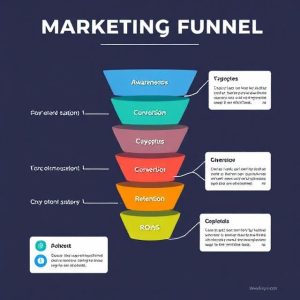
Step 2: Collect and activate first-party data
As third-party signals fade, first-party data is your competitive edge. Use the Meta Pixel, Conversions Application performing interface{API}, Customer relation management{CRM} lists, and app events to collect quality signals. Segment audiences into cart rejected, past purchasers, and engaged browsers. Rich first-party data helps Meta’s algorithm find buyers more efficiently.
Step 3: Choose the right campaign objective and structure
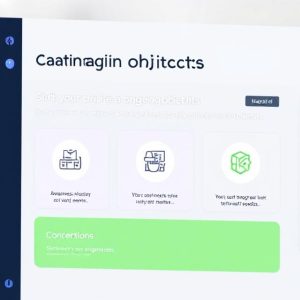
Match objectives to funnel stages: Brand Awareness for reach, Traffic/Engagement for consideration, Conversions for purchases. Keep campaigns organised—separate by product category, margin tier, or funnel stage—to control budgets and simplify optimisation.
Step 4: Audience strategy — precision + scale
Start tight: test with custom audiences (site visitors, recent engagers). Once you identify winning creative and offers, scale with lookalikes (1%–5%) and layered targeting (interest + behaviour). Avoid micro-targeting too early—let Meta’s learning phase discover the best users once you supply clean conversion signals.
Step 5: Creative that converts — test formats and hooks
Meta rewards compelling creative. Test short video (6–15s), carousels, and single-image ads with punchy headlines. Capture attention in the first 3 seconds, show the product benefit quickly, and end with a clear Call to action button. A/B test messaging styles—discounts vs. social proof vs. urgency—and rotate assets every 1–3 weeks to prevent ad fatigue.
Step 6: Optimise the landing experience
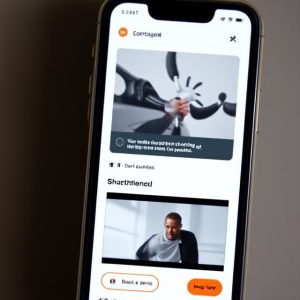
Match ad messaging and imagery to landing pages for continuity. Prioritise mobile speed, minimise form fields, and show trust signals like reviews and secure checkout badges. For e-commerce, use dynamic product content and easy checkout. Often, small user experience{UX} fixes lift conversion rates more than bid changes.
Step 7: Smart bidding and budget allocation
Once you have reliable conversion data, use Meta’s automated bidding (Target CPA or Value Optimisation). Start with conservative budgets in the learning phase, then scale in 20–30% increments. Shift budget to campaigns with positive ROAS and pause or rework under performers.

Step 8: Retargeting and cross-sell channel
Not every visitor buys instantly—retarget with modifying messages: cart rejected get discounts, product browsers see benefit-focused creatives, and past customers receive cross-sell or VIP offers. Build sequential messaging that educates before you ask for the sale.
Step 9: Measure, test, and iterate
Set a measure: weekly checks for abnormality, bi-weekly creative tests, and monthly deep dives into placement, audience, and ROAS. Use split tests for major changes and allow sufficient test windows to avoid misleading results.

Conclusion
Turning clicks into customers on Meta needs disciplined data collection, smart audience design, compelling creative, and continuous optimisation. Focus on one clear KPI, feed Meta accurate signals, and design landing experiences that remove friction. With steady testing and a customer-first mindset, your Meta ad spend will convert more often—and at healthier margins.

Just grabbing the odds96 apk from here. Hope it’s the real deal. Will let you know how it goes or if you have any issues! Download it here odds96 apk