Introduction
In today’s digital-first world, emails remain one of the most powerful tools to connect with customers, nurture relationships, and drive sales. Yet, not every email delivers results. Many messages land in the inbox but fail to make an impact. The difference between an ignored email and one that converts lies in how it is crafted. From subject lines to calls-to-action (CTAs), every element plays a role in persuading your audience to take the next step. In this blog, we will walk you through a step-by-step process on how to write emails that not only get opened but also inspire action.

Step 1: Understand Your Audience
Every effective email starts with clarity about who you’re writing for. You must know your audience’s pain points, needs, and desires before typing a single word. Creating buyer personas can help you segment your email list and craft messages customize to specific groups. For example, a new subscriber might prefer an introductory email, while a loyal customer may respond better to exclusive discounts.
Tip: Use data from past campaigns, surveys, or website behaviour to fine-tune your targeting. Personalised emails are far more likely to convert than generic blasts
 .
.
Step 2: Craft an Irresistible Subject Line
Your subject line is the gatekeeper of your email. If it does not grab attention, your message would not be opened. Keep it short, clear, and engaging. Personalisation (like including the recipient’s name) and curiosity-driven lines tend to perform better.
Examples:
“John, here’s your exclusive offer ”
“5 tips to double your productivity today”
Tip: Avoid spammy words like “Free!!!” or “Act Now” as they may land you in the junk folder.
Step 3: Write a Compelling Opening
Once your email is opened, the first few lines are critical. Start with a hook that connects with the reader immediately—this could be a relatable problem, an interesting fact, or a question.
For example:
“Struggling to keep your customers engaged? You are not alone. But here’s the good news—email marketing can change that.”
A strong opening keeps readers curious and sets the tone for the rest of your message.

Step 4: Deliver Value in the Body Content
The main body of your email should focus on solving a problem or fulfilling a need. Keep it concise, scannable, and centered on the reader—not your business. Instead of simply promoting your product, highlight the benefits and outcomes they’ll experience.
For example, instead of saying “Our software has advanced analytics tools,” say “Track your sales in real-time and make smarter business decisions effortlessly.”
Tip: Use short paragraphs, bullet points, and visuals if possible. Emails should be easy to digest on both desktop and mobile.
Step 5: Add a Strong Call-to-Action (CTA)
A high-converting email always includes a clear next step. Whether it’s clicking a link, downloading a resource, or making a purchase, your CTA should be direct and action-oriented.
Examples:
“Start your free trial today”
“Download your free guide”
“Book your consultation now”
Make your CTA stand out with a button or bold text so readers can’t miss it.
Step 6: Personalise and Segment for Higher Conversions
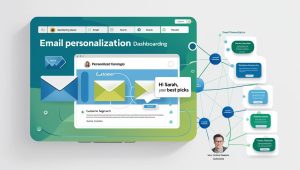
One-size-fits-all emails are outdated. By segmenting your list (based on demographics, behaviour, or purchase history), you can send highly relevant content to different groups. Personalised subject lines, recommendations, and offers significantly boost engagement and conversions.
Tip: Automate your email campaigns to send the right message at the right time—such as welcome emails, cart abandonment reminders, or post-purchase follow-ups.
Step 7: Test, Analyse, and Optimise
The journey doesn’t end when you hit “send.” Monitor your open rates, click-through rates, and conversion rates to understand what’s working. A/B testing (trying two versions of a subject line or CTA) helps you optimise for better results over time.
Tip: Small tweaks, like changing a subject line or button colour, can lead to major improvements in conversions.

Conclusion
Writing emails that convert is both an art and a science. By understanding your audience, creating irresistible subject lines, providing real value, and ending with a clear call-to-action, you can transform your messages from simply sitting in inboxes to making a real impact on your business growth. Remember, the most successful emails aren’t just about selling—they’re about building trust, nurturing relationships, and guiding readers toward meaningful action.
If you are ready to take your email marketing to the next level, start by applying these steps today. With consistent testing and refinement, your emails will go from being overlooked to becoming one of your most reliable drivers of conversions.