Beyond Likes: Turning Engagement into Sales with Meta Ads
Introduction
Getting likes, comments, and shares is great—until your boss asks, “So… how many sales did we get?” This guide shows you, step by step, how to turn engagement into revenue with Meta Ads. We will map the funnel, retarget warm audiences, align creative with offers, and measure what truly matters. Follow these steps and you’ll move from vanity metrics to predictable growth.

1) Define the conversion goal and map your funnel
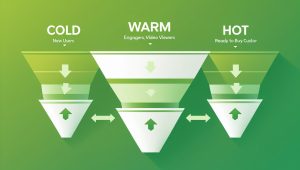
Decide the one action that equals success (purchase, lead, call, booking). Then outline a simple funnel:
Cold: people who do not know you.
Warm: engagers—video viewers, profile/page engagers, website visitors.
Hot: cart/checkout initiators and past customers.
Your strategy will move users from cold → warm → hot → conversion.
2) Set up accurate tracking (Pixel + Conversions API)
Install the Meta Pixel on your site and configure standard events (ViewContent, Add to Cart, Initiate Checkout, Purchase/Lead). Pair it with Conversions API to capture server-side signals and reduce data loss. Verify events in Events Manager and confirm that your purchase/lead values are passing correctly. If tracking is wrong, optimisation and ROAS will be wrong.
3) Build engagement audiences and retarget them
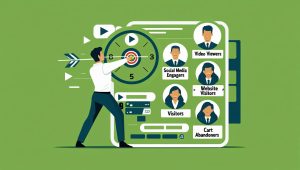
Turn attention into asset:
Video Viewers (25%/50%/95%) from your top videos.
Page/Instagram Engagers (last 90–365 days).
Website Visitors segmented by product/category.
Cart Abandoners (Initiate Checkout no Purchase).
Run retargeting ads that acknowledge their behaviour (“Still deciding?”) and present a clear path to act.
4) Lead with an offer, not just a creative
Likes come from entertainment; sales come from offers. Craft benefit-first hooks (solve a problem, promise an outcome) and pair with:
Social proof: reviews, UGC, star ratings.
Risk reducers: free shipping, easy returns, demo.
Urgency/Scarcity: limited-time bundles or bonuses.
Test formats: short UGC video, carousel for features, and a simple image with price+value.
5) Choose the right campaign objectives and structure
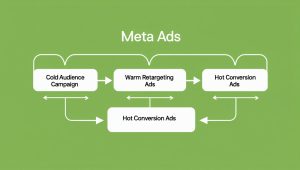
For sales, use Sales (for purchases) or Leads (for forms/calls). Keep structure simple:
Cold Prospecting: Broad targeting (18+, Advantage+ placements), 1–2 ad sets, 3–5 creatives.
Warm Retargeting: Custom audiences (engagers, site visitors). Tailor copy to objections.
Hot Nudges: Cart/checkout abandoners with time-bound incentives.
Avoid over-segmentation; let the algorithm find buyers while you feed it the right signals.
6) Send traffic to a conversion-ready destination
Your landing page should do four things fast:
Match the ad promise (headline and imagery).
Show proof (testimonials, logos, counts).
Remove friction (fast load, mobile-friendly, few fields).
Make action obvious (sticky CTA, clear price/value).
A/B test the “above the fold,” CTA text, and checkout steps before spending to scale.

7) Measure what matters and iterate weekly
Track: CPA/CPL, ROAS, Conversion Rate, AOV, and Frequency. Use a 7-day click window for purchase-led decisions (adjust to your sales cycle). Run structured tests:
One variable at a time (hook, angle, format, offer).
Kill under performers quickly; reallocate to winners.
Read comments for objections and turn them into new ad angles.
8) Scale with lookalikes and lifecycle ads
Once you’re converting:
Build Lookalikes from high-quality sources (purchasers, high LTV, 180-day engagers).
Increase budgets gradually or duplicate winners into higher budgets.
Add post-purchase ads for cross-sells and referrals; nurture via email/WhatsApp to lift LTV.
Refresh creatives every 2–4 weeks to prevent fatigue.

Conclusion
Likes are not the finish line—they’re the starting signal. When you track correctly, retarget engagers, lead with a real offer, and measure by revenue, Meta Ads becomes a reliable sales engine. Implement this playbook, review performance weekly, and keep testing new angles. Do that, and your engagement would not just look good—it will profit.