AI Meets Digital Marketing: The Revolution Every Business Needs.
Introduction
The business world is entering a new era where Artificial Intelligence (AI) is no longer a futuristic buzzword — it is a practical tool transforming industries, especially digital marketing. From personalised ads to predictive analytics, AI is helping businesses reach the right audience, at the right time, with the right message. This revolution is reshaping how companies attract, engage, and retain customers while saving time and maximising return on investment (ROI).
In this blog, we’ll break down step by step how AI is revolutionising digital marketing and why it’s a change every business must embrace to stay competitive.
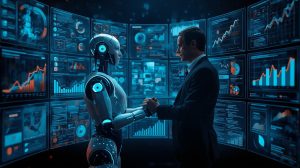
Step 1 — Smarter Customer Targeting
Traditional marketing relied on broad demographics, but AI digs deeper. By analysing browsing behaviour, purchase history, and online activity, AI identifies micro-segments of customers. This means businesses can target users with hyper-specific ads, improving conversions while cutting wasted ad spend. For example, e-commerce brands now use AI algorithms to recommend products based on past purchases, turning casual browsers into repeat buyers.
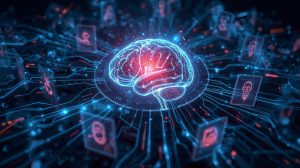
Step 2 — Personalised at Scale
Customers expect unique experiences, and AI makes personalised effortless. Through recommendation engines, dynamic pricing, and tailored email campaigns, businesses can create one-to-one marketing on a massive scale. Netflix and Amazon have set benchmarks here, but even small businesses can now use AI-driven tools to personalise product suggestions, email offers, or website content — boosting customer loyalty and sales.
Step 3 — Predictive Analytics for Smarter Decisions
AI allows marketers to move from reactive to proactive strategies. Using predictive analytics, businesses can forecast future customer behaviour, demand trends, and even churn risks. This means companies can adjust campaigns before performance drops, allocate budgets efficiently, and stay ahead of competitors. For example, AI can predict which customers are most likely to purchase during a seasonal sale and target them with timely offers.

Step 4 — AI-Powered Content Creation
Content is the heart of digital marketing, and AI is speeding up the process. Tools powered by natural language processing (NLP) can generate blog drafts, social media captions, and even ad copy within minutes. Meanwhile, AI-driven design tools create visuals and video snippets optimised for engagement. While human creativity is still key, AI helps marketers save time and focus on refining ideas rather than starting from scratch.
Step 5 — Chat-bots and Customer Support Automation
Modern customers expect instant answers. AI-powered chat-bots and virtual assistants provide 24/7 support, handling FAQs, resolving queries, and even recommending products. This reduces the workload for human agents while improving customer satisfaction. Businesses not only save costs but also create better user experiences by ensuring no customer leaves unanswered.
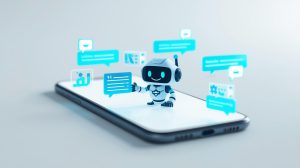
Step 6 — Smarter Ad Campaigns and Budget Optimisation
Digital advertising can be costly if not optimised. AI helps businesses automate ad bidding, test variations, and track performance in real time. Platforms like Google Ads and Meta Ads already use AI algorithms to suggest keywords, audiences, and ad placements that maximise ROI. For startups and SMEs, this levels the playing field against larger competitors with bigger budgets.
Step 7 — Enhancing Customer Insights
AI does not just analyse what customers do — it uncovers why they do it. Sentiment analysis tools, for example, scan reviews, social media posts, and feedback to reveal customer emotions. These insights allow businesses to fine-tune their messaging, improve products, and strengthen relationships with their audience.
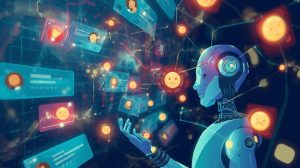
Step 8 — Ethical Use of AI in Marketing
With great power comes responsibility. Businesses must balance AI-driven marketing with privacy, transparency, and trust. Customers are more likely to engage with brands that respect their data and use AI responsibly. Setting clear data policies and avoiding intrusive personalised ensures long-term success.
Conclusion
AI has moved beyond being just another tool in the marketer’s toolkit — it has become the driving force behind digital marketing’s evolution. From smarter targeting to predictive analytics and personalised campaigns, AI is helping businesses save time, cut costs, and deliver experiences customers love.
The revolution is already here: companies that adopt AI-powered digital marketing will thrive in the new era, while those that resist risk falling behind. To succeed, start small, experiment, measure results, and scale what works. In today’s fast-paced business world, AI is not just an advantage — it is a necessity.